
Bringing genetic testing for breast, ovarian, and prostate cancer within reach of patients in Kenya’s public hospitals.
Every year, hundreds of women and men walk into Kenyatta National Hospital (KNH) with breast, ovarian, or prostate cancer. Some of them carry a BRCA1 or BRCA2 mutation, a genetic marker that could open the door to life-extending treatment but many may never know. The test that would tell them is cost-prohibitive, and it is not routinely offered in public hospitals in Kenya.
A new partnership is set to change that.
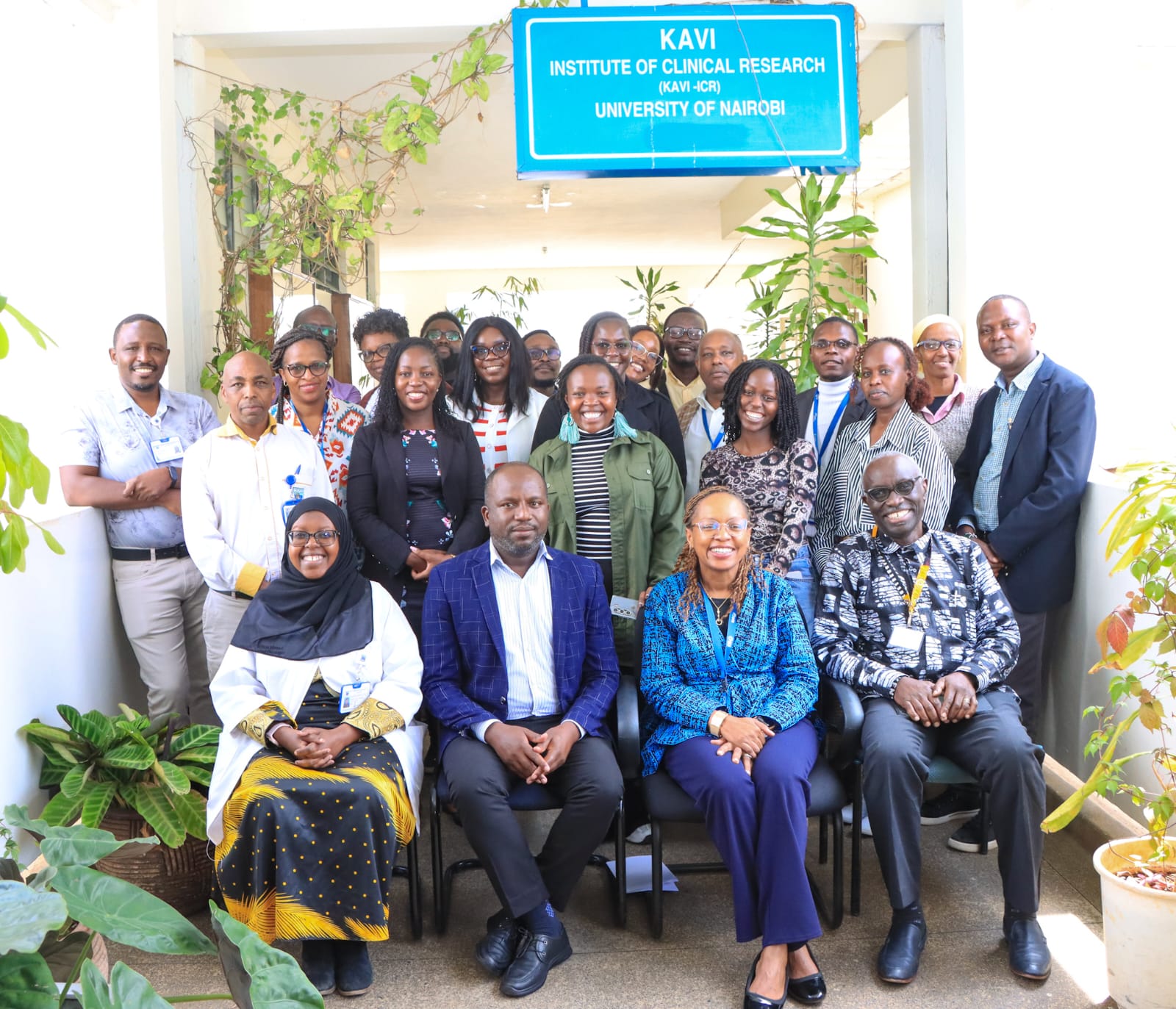
On 8 May 2026, KAVI-Institute of Clinical Research (KAVI-ICR), University of Nairobi, announced it had been awarded a research grant through AstraZeneca’s Health Equity Fellowship called Cancer Care Africa Initiative to lead a three-year BRCA1/2 mutation profiling study at Kenyatta National Hospital (KNH). The grant was presented during a meeting at KAVI-ICR with senior leadership from AstraZeneca and KNH.
The study brings together three institutions whose roles complement one another: KNH, Kenya’s largest referral and oncology centre; KAVI-ICR, one of the premier research institutes at the University of Nairobi, contributing its molecular diagnostics and biobanking platforms; and AstraZeneca, global science‑led biopharmaceutical company sponsoring the study so findings can inform locally relevant, evidence‑based care..
Dr Noel Onyango, who leads the Non-Communicable Diseases portfolio at KAVI-ICR, put it plainly: “Our patients arrive late, and they often leave without ever knowing their genetic risk. This study gives clinicians at KNH the tools to change that, for the people who need it most.”
The case for the study
Cancer is now among Kenya’s leading causes of death, and between 70% and 80% of cases are diagnosed at Stage III or IV. For patients with a BRCA1/2 mutation, the right test can change the entire treatment pathway, qualifying them for targeted therapies such as PARP inhibitors, guiding surgical decisions, and prompting testing of family members who may carry the same risk. Without the test, none of that is on the table.
The gap is also scientific. More than 95% of global BRCA data comes from non-African populations, leaving clinicians here to work from guidelines built on someone else’s genetics. This study will generate the missing evidence from Kenya.
The study, and what comes after
Over three years, 450 patients will be enrolled across triple-negative breast cancer, metastatic prostate cancer, and high-grade serous ovarian cancer, with sequencing carried out at KAVI-ICR using Illumina MiSeq next-generation sequencing. The project will also establish a Cancer Biobank at KAVI-ICR. This resource will continue to return value to patients long after enrolment closes, as global variant databases grow and uncertain results are reclassified.
At its core, this is about access. By embedding BRCA testing into the routine oncology workflow at KNH and training local laboratory and clinical staff, the three partners are working to make genomic testing a feature of public-sector cancer care rather than an option reserved for those who can pay.
Dr Marianne Mureithi, Director of KAVI-ICR and Principal Investigator on the study, framed the wider stakes: “Precision medicine cannot remain a privilege of geography. This grant is an investment in the architecture of cancer care that Kenya will need over the coming decade.”
Dr. Khomotso Mashilane, Medical Director, AstraZeneca, African Cluster noted that “At AstraZeneca, we recognize the profound need to expand the global understanding of cancer genomics, especially within African populations whose cancer biology is underrepresented in scientific literature. Investing in genomics studies not only advances early detection and innovative treatments, but also empowers local researchers and communities. Our commitment is driven by the conviction that groundbreaking cancer solutions must be inclusive and equitable—ensuring that every patient, no matter where they live, has access to the most effective therapies tailored to their genetic profile.”
KAVI-ICR extends its sincere appreciation to AstraZeneca for its partnership and to Kenyatta National Hospital for its continued collaboration in advancing equitable cancer care for Kenyans.
- Log in to post comments


