
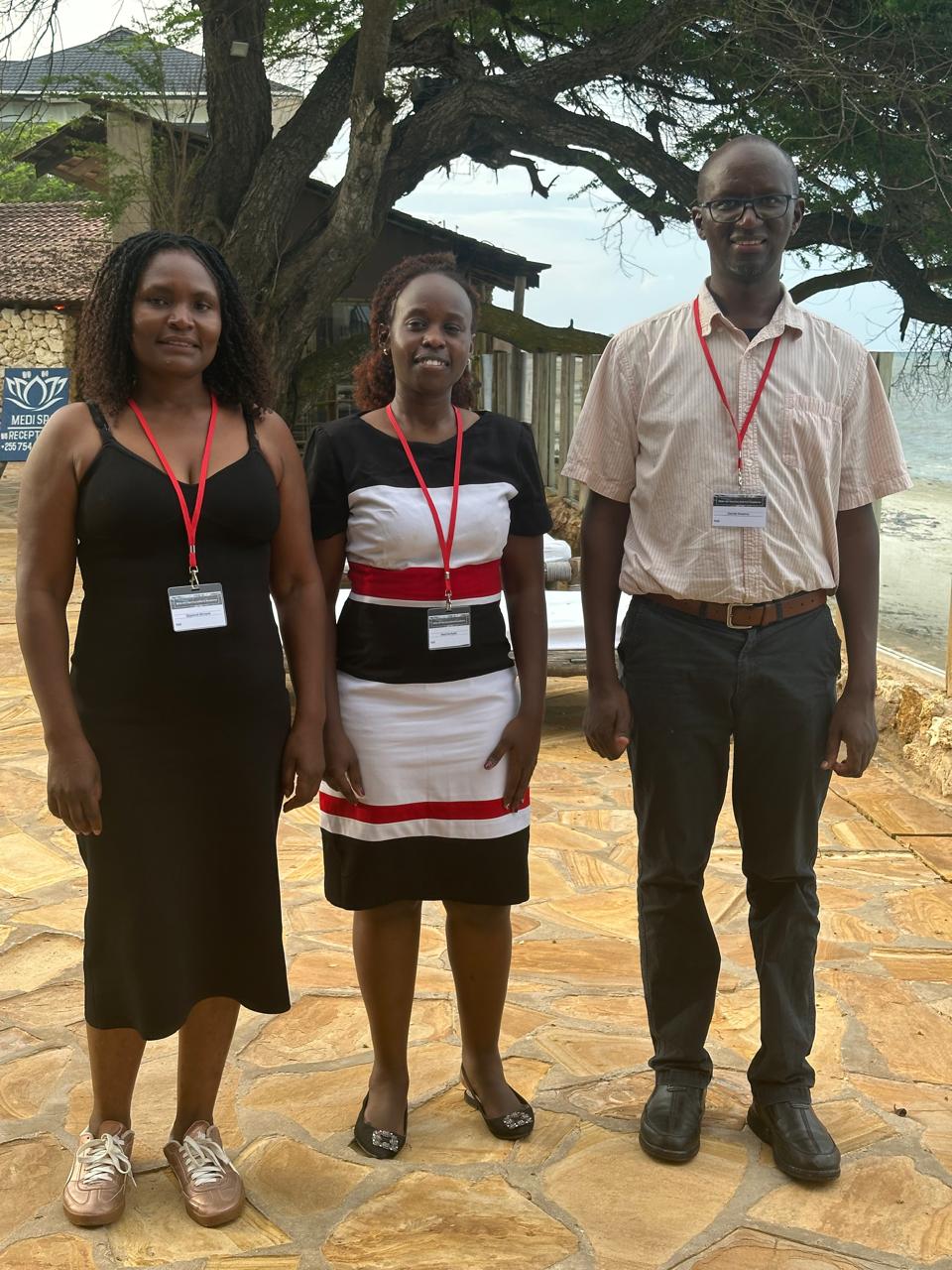
From 10–12 March 2026, researchers from KAVI-Institute of Clinical Research (KAVI-ICR) actively participated in the HIV Vaccine Science Academy held in Dar es Salaam, Tanzania. The academy, organized by the International AIDS Society, brought together early-career scientists and leading global experts to explore the latest advances in HIV vaccine research.
KAVI-ICR was proudly represented by Beatrice Kyalo and Dr. Zipporah Bosibori, with Dr. Daniel Muema serving as a key faculty member further highlighting KAVI-ICR’s leadership in the global HIV vaccine research landscape.
Building Scientific Excellence
The three-day academy offered a comprehensive journey through HIV vaccine science:
- Day One: Focused on immunological foundations, including innate immunity, T-cell responses, and B-cell dynamics. Sessions led by renowned experts such as Sarah Rowland-Jones and Eunice Nduati deepened understanding of immune mechanisms critical to vaccine design.
- Day Two: Bridged science and application, exploring vaccine platforms, correlates of protection, and insights from landmark trials such as the IAVI G002/G003 trials.
- Day Three: Focused on professional development, mentorship, and strengthening African-led research ecosystems.
A key highlight was the demonstration of successful broadly neutralizing antibody (bnAb) precursor priming in humans, including African cohorts an important milestone in HIV vaccine development.
Learning Beyond the Classroom
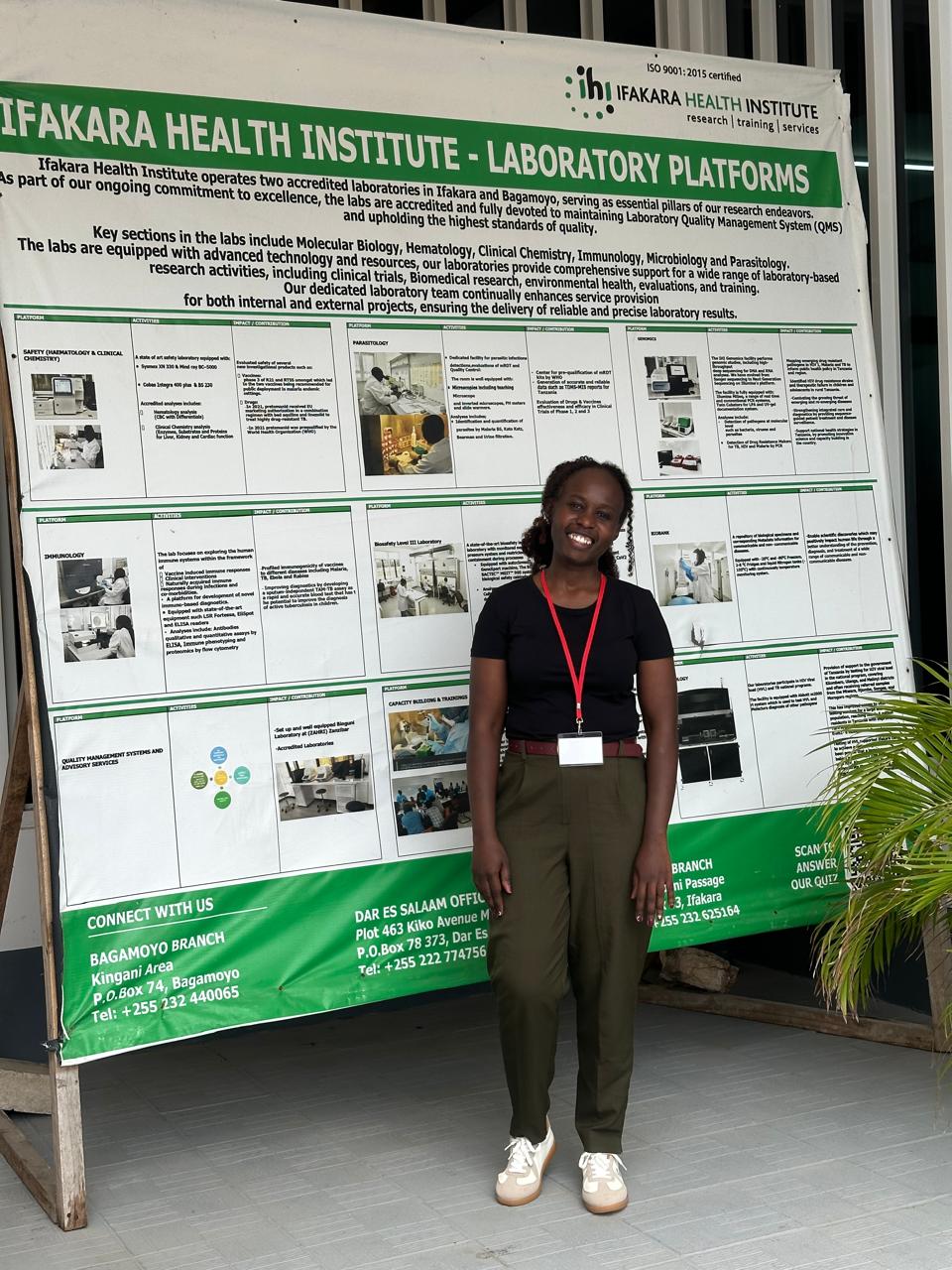
Participants also visited the Ifakara Health Institute in Bagamoyo, gaining insights into:
- State-of-the-art clinical trial infrastructure
- Effective community engagement strategies
- Laboratory systems for sample processing and storage
These lessons provide valuable benchmarks for strengthening KAVI-ICR’s own clinical trial and community engagement practices.
Strengthening African Leadership in Research
The academy reinforced the importance of African scientists leading research efforts on the continent. Seeing leaders like Dr. Muema and Dr. Nduati at the forefront was both inspiring and affirming.
Participation also enabled:
- Development of a polished research abstract
- Establishment of regional collaborations
- Enhanced understanding of mentorship and career pathways
Driving Impact at KAVI-ICR
Building on insights gained, several recommendations emerged:
- Strengthen internal knowledge-sharing through seminars
- Expand collaborative research opportunities
- Enhance mentorship frameworks for early-career scientists
- Showcase KAVI-ICR’s leadership in landmark trials such as G002, G003, and ongoing studies
These efforts will further position KAVI-ICR as a leading partner in HIV vaccine research in Africa.
Looking Ahead
Reflecting on the experience, Beatrice Kyalo noted that the academy was transformative equipping participants with scientific knowledge, practical skills, and a renewed commitment to advancing HIV vaccine research.
As KAVI-ICR continues its mission, participation in global platforms like the IAS HIV Vaccine Science Academy underscores its dedication to scientific excellence, innovation, and African leadership in research.
- Log in to post comments


